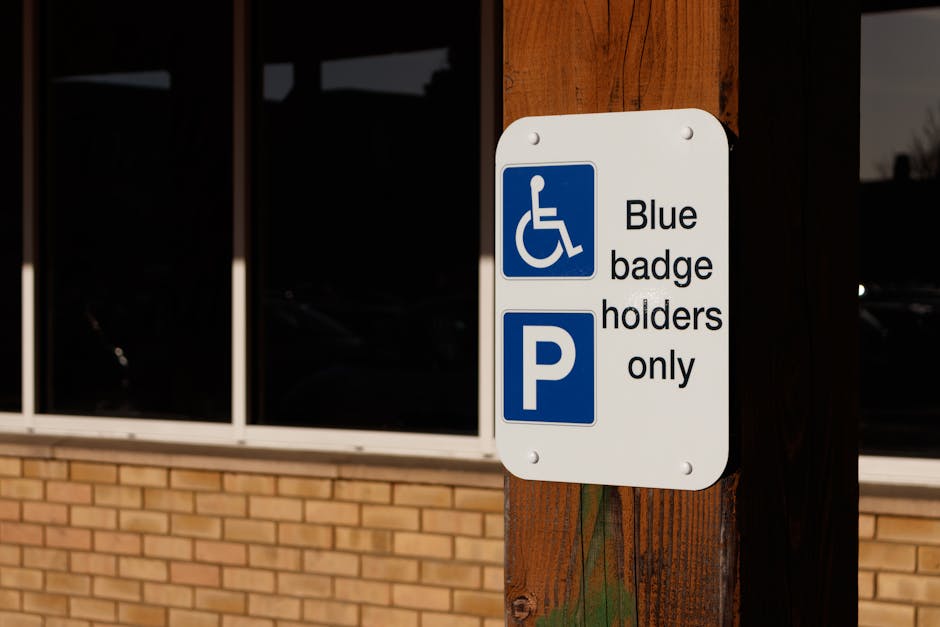
Brent Council permits parking and loading bay rules for movers
Moving house or office in Brent can look simple on paper, and then the van arrives and everything changes. A narrow street, a resident bay, a loading restriction, a time clock ticking in the background. That is usually the moment people realise how much Brent Council permits parking and loading bay rules for movers can affect the day. If you are planning a move in Wembley, Kilburn, Harlesden, Willesden or anywhere else in the borough, getting the parking side right can save a lot of stress.
This guide breaks the topic down in plain English. You will learn when a permit is likely needed, how loading bays usually work, what movers should check before the first box is lifted, and how to avoid the awkward kind of delay that turns a smooth move into a long morning with hazard lights on. It is practical, local, and built for real moving-day decisions.
Table of Contents
- Why Brent Council permits parking and loading bay rules for movers Matters
- How Brent Council permits parking and loading bay rules for movers Works
- Key Benefits and Practical Advantages
- Who This Is For and When It Makes Sense
- Step-by-Step Guidance
- Expert Tips for Better Results
- Common Mistakes to Avoid
- Tools, Resources and Recommendations
- Law, Compliance, Standards, or Best Practice
- Options, Methods, or Comparison Table
- Case Study or Real-World Example
- Practical Checklist
- Conclusion
- Frequently Asked Questions
Why Brent Council permits parking and loading bay rules for movers Matters
Parking is not a side issue on moving day. It is often the difference between a quick, organised job and one where the crew is forced to carry furniture farther than expected, wait for space to open up, or keep stopping and starting because the vehicle is in the wrong place. In a borough like Brent, where roads can be busy and parking controls are common, the rules matter even more.
For movers, the practical problem is straightforward: a removal van usually needs access close to the property. If the van cannot stop near the entrance, every part of the move becomes slower. Sofas get heavier. Fridges become less forgiving. Boxes are still boxes, but after the tenth trip, the staircase suddenly feels steeper than it did at 8 a.m.
Permits and loading bay rules are there to manage road space fairly, keep traffic flowing, and reduce conflict between residents, businesses, and delivery vehicles. For a move, that means you need to know whether you can legally stop, how long you can stay, and whether a loading bay is meant for active loading only or for parking as well. It sounds fussy. It is. But the fussy part is what keeps the move legal and orderly.
If you are arranging a home relocation, you may also want to review nearby moving support such as home moves or house removals so the transport side and the parking plan are aligned from the start.
How Brent Council permits parking and loading bay rules for movers Works
The details can vary by street, bay type, and time of day, so the safest approach is to treat parking as part of the move plan rather than an afterthought. In practical terms, movers usually need to understand three things: whether a permit is needed, whether the vehicle can use a loading bay, and how long the vehicle can remain there while items are being loaded or unloaded.
A permit generally relates to parking in controlled bays or restrictions where normal parking is not allowed. A loading bay is different. It is usually intended for active loading and unloading, not for leaving a vehicle there while you finish the rest of the job at a slower pace. That distinction catches people out. A van can be "in use" for a move and still be in the wrong place if the bay is time-limited or reserved for specific hours.
Another important point: moving vehicles often need a clear, workable stopping point close to the entrance. If the property is on a main road, in a conservation-style street layout, or near shops and commuter traffic, the best option may be to plan around a loading bay rather than rely on finding random kerb space. Truth be told, hoping for the best on move day is not a plan.
At this stage, many customers decide to compare vehicle support options, such as a removal van, a larger moving truck, or even man and van support, depending on access and volume. The vehicle choice and the parking choice should be made together.
For more complex jobs, such as office relocations or commercial premises, parking arrangements are even more critical because teams, equipment, and timed handovers all depend on clean access. If that sounds familiar, commercial moves and office removals are worth reviewing alongside the parking plan.
Key Benefits and Practical Advantages
Getting the permit and loading arrangement right brings more benefits than just avoiding a ticket. It makes the whole move calmer and more predictable.
- Faster loading and unloading because the van can park nearer to the door.
- Lower physical strain since crews do not have to carry items over long distances.
- Better timing for keys, handover windows, building access, and lift bookings.
- Less disruption for neighbours, residents, and passing traffic.
- Reduced risk of penalties from parking where you should not.
- More efficient crew use because movers spend time moving items, not hunting for a place to stop.
There is also a softer benefit that people do not mention enough: confidence. When the parking question has been resolved in advance, you stop worrying about the van while you are worrying about the kettle, the Wi-Fi router, and which box contains the bedding. That matters more than it sounds.
For people packing on a deadline, pairing the parking plan with packing and boxes or packing and unpacking services can keep the move moving, if you will excuse the phrase. A tidy load is easier to handle, easier to unload, and less likely to cause delays in a narrow bay.
Who This Is For and When It Makes Sense
This is not just for large removals. In Brent, parking and loading rules can affect all kinds of moves, including small flat clear-outs, student moves, furniture pickups, and same-day relocations.
You should pay close attention if you are:
- moving from a flat with limited street access;
- living on a road with resident bays or timed restrictions;
- moving from or to a busy high street area;
- using a larger van or truck;
- moving on a weekday when traffic is heavier;
- coordinating a building with lift bookings or concierge rules;
- moving business stock, office furniture, or equipment;
- trying to complete a move in a tight time window.
Students and renters often underestimate this. A small move can still hit parking problems if the building sits on a controlled street. Likewise, a furniture pickup that looks easy can become awkward if the vehicle has nowhere legal to wait. That is why services like student removals and furniture removals benefit from a parking plan as much as bigger house moves do.
If the property is especially tight or the load is spread over multiple trips, sometimes storage is part of the solution too. A short stop at storage can take pressure off the moving schedule and reduce the amount of street-side loading time you need on the day.
Step-by-Step Guidance
Here is the most sensible way to approach the parking side of a Brent move. Keep it simple and do it early. Parking issues are much easier to solve before the van is outside.
- Check the street conditions at both addresses. Look for yellow lines, resident bays, loading bays, suspension notices, and time restrictions. If you do one thing first, do this.
- Decide what type of vehicle is being used. A small van, a standard removal van, and a larger truck do not all fit or behave the same way in restricted streets.
- Work out the loading requirement. Are you loading a few bags and boxes, or a full household move with heavy furniture? The answer affects the time needed at the kerb.
- Confirm whether a permit or exemption is required. Some situations may need formal permission, while others may only permit loading for a short period. Do not assume one covers the other.
- Plan the arrival window. Try to avoid peak traffic where possible. In practice, a calmer arrival often makes the whole move feel less frantic.
- Brief the movers clearly. Tell them where they can stop, how long loading is likely to take, and whether the building has extra access rules.
- Have a backup plan. If the bay is occupied or the road is blocked, know the nearest sensible alternative before the van arrives.
One small but useful tip: take photos of the road layout and the entrance ahead of time. It sounds almost too obvious, but on a wet Tuesday morning, with boxes stacked by the front door and somebody asking where the mattress protector has gone, you will be glad you did.
Expert Tips for Better Results
Here are the little things that make a big difference. They are not glamorous, but they save time.
- Build the parking plan into the quote request. If you know access is awkward, say so early. It helps match the right vehicle and crew size to the job.
- Keep heavy items near the exit. Sofas, wardrobes, and appliances should not be the last thing you hunt for while the bay clock is running.
- Use labelled, well-packed boxes. Neater packing means quicker lifts and fewer pauses in the loading zone.
- Book lift access and building permissions in advance. A permit is no help if the service lift is unavailable.
- Avoid overfilling the loading time with last-minute tasks. It is tempting to "just grab one more thing." That one more thing can be the thing that tips the schedule.
- Match vehicle size to the street. Bigger is not always better. A slightly smaller van that can park properly may be faster than a larger truck that has to circle the block.
For homeowners who want a smoother all-round move, it can also be worth reading about house removalists or house removals to see how full-service support can reduce the number of decisions you have to make on the day.
And yes, I would always rather have one sensible plan than three hopeful guesses. Moving is already enough without improvising parking from the cab window.
Common Mistakes to Avoid
The biggest errors are usually the simplest ones. People know a permit might be needed, but they still leave the parking question until the morning of the move. Or they assume a loading bay means they can stay as long as they like. Usually that is where the problems start.
- Assuming every bay is the same. It is not. Some bays allow loading only, others have hours or user restrictions, and some may be suspended altogether.
- Forgetting the return trip. You may be able to unload at the new place, but what about the old one if the van needs to come back for the second load?
- Leaving no margin for delays. Traffic, lift delays, and key handovers all eat into loading time.
- Choosing the wrong vehicle size. A too-large vehicle can be harder to place legally, while a too-small one creates extra trips.
- Ignoring neighbours or building rules. A shared entrance, a private road, or a managed block can have its own expectations.
- Not telling the mover about the access issue. That one is surprisingly common. The driver arrives, sees the street, and suddenly everyone is revising the plan. Not ideal.
If your move is tied to business premises, the same mistakes can be more expensive in time and disruption. That is one reason companies often prefer to work with a team experienced in office relocation services and removal services rather than trying to manage access on the fly.
Tools, Resources and Recommendations
You do not need complicated systems to get this right. A few simple tools make the process easier and less error-prone.
| Tool or resource | Why it helps | Best use |
|---|---|---|
| Street photos | Shows bay layout, access width, and any obvious restrictions | Before booking the vehicle |
| Move-day timeline | Helps align loading, lift access, and arrival windows | For flat and house moves |
| Box labels | Speeds loading and unloading | Any home or office move |
| Access notes for the driver | Reduces guesswork on arrival | For tight roads or controlled parking |
| Backup contact details | Useful if the driver needs quick clarification | All moves, especially time-sensitive ones |
Recommendation-wise, think in layers. First, get access right. Second, get the vehicle right. Third, get the packing right. In that order. If you reverse it, you can end up with the fanciest van in Brent and nowhere decent to put it.
When comparing moving support, it can help to look at removals for full-service support, man with a van for lighter loads, or removal truck hire where a larger vehicle is genuinely needed. The right choice depends on access, not just volume.
Law, Compliance, Standards, or Best Practice
It is sensible to treat Brent parking and loading arrangements as a compliance issue, not just a convenience issue. In the UK, councils set local parking controls and loading rules to manage road use safely and fairly. For movers, the key best practice is to follow the local signage, use the correct vehicle arrangement, and avoid assuming that temporary loading automatically permits everything.
Best practice also means keeping your move evidence and paperwork tidy. If a permit, booking, or exemption has been arranged, save the details. If a bay is reserved for a specific purpose or time period, respect it. If the property manager or building has separate access rules, those matter too. One set of rules does not cancel the other.
For responsible movers, safety goes alongside compliance. Heavy lifting, tight kerbs, busy roads, and rushed loading can all create avoidable risk. That is why a sensible operator will often align parking plans with broader working practices set out in their health and safety policy and insurance and safety approach.
There is also a simple fairness issue. A legal, well-managed loading arrangement reduces friction with neighbours and other road users. Nobody likes finding a van half blocking the street at school run time. Let's face it, neither do the people doing the move.
Options, Methods, or Comparison Table
There is no single best approach for every move. The right method depends on the street, the load, and how much time you have on the day.
| Approach | Best for | Pros | Trade-offs |
|---|---|---|---|
| Pre-arranged parking or permit plan | Controlled streets, timed bays, full-house moves | Predictable access, fewer surprises | Needs planning in advance |
| Loading bay use | Short, active loading and unloading | Good proximity to the entrance | Time-limited and rule-sensitive |
| Smaller vehicle with easier access | Narrow roads, flats, busy high streets | More flexible parking options | May require multiple trips |
| Larger truck with protected access | Big moves, long distances, heavier loads | Efficient for volume | Harder to place on tight streets |
In practice, many Brent moves work best with a compromise: a vehicle that fits the street comfortably and a loading plan that keeps everything moving. A huge truck is useless if it cannot stop where it needs to. A tiny van can be clever, but only if you have the patience for extra trips. There is a balance.
Case Study or Real-World Example
Here is a realistic example. A couple moving from a first-floor flat near a busy Brent road expected the job to take two hours. They had a sofa, bed frame, several boxes, a washing machine, and the usual collection of last-minute items you only notice when packing. On the morning, the street was busier than they had imagined, and the nearest loading space was already in use.
Because they had discussed access in advance, the mover arrived with a vehicle sized to fit the street more comfortably. The crew waited a few minutes, then used a lawful loading space once it became available, and kept the unloading order tight: fragile boxes first, then furniture, then appliances. It still took effort, of course. Moving always does. But the difference was that nobody was trying to invent a parking plan while carrying a mattress downstairs.
That sort of preparation also works well for smaller but awkward moves, like flat removals or same-day removals, where time pressure can expose weak planning very quickly.
The key lesson is simple: parking is not separate from the removal. It is part of the removal.
Practical Checklist
Use this checklist before move day. Print it, copy it, scribble on it, whatever works.
- Confirm the full addresses for both properties.
- Check whether the street has resident bays, loading bays, yellow lines, or timed restrictions.
- Decide which vehicle will be used and whether it fits the access route.
- Ask whether a permit, booking, or other local parking arrangement is needed.
- Confirm the likely loading and unloading times.
- Tell the mover about stairs, lifts, tight entrances, or long carry distances.
- Keep a backup parking option in mind.
- Pack and label boxes so loading is quick and ordered.
- Keep keys, access codes, and contact numbers ready.
- Review any building rules if you are moving into or out of a managed property.
If you are planning a business move, add one more line: make sure the office handover timing and street access fit together. It saves a lot of running back and forth in the corridor.
Get a free quote today and see how much you can save.
Conclusion
Brent Council permits parking and loading bay rules for movers can look like a small detail, but in real life they shape the whole day. The right bay, the right timing, and the right vehicle make moving smoother, safer, and less stressful. The wrong setup adds carrying time, pressure, and avoidable risk.
The good news is that this is very manageable when you plan early. Check access, match the vehicle to the street, build your loading time around the restrictions, and keep one practical backup plan in your pocket. It is not glamorous, but it works.
And once the last box is in, the kettle is on, and the street noise fades a bit, you will be glad the parking part was sorted properly. That's one less thing hanging over you, which is no small win.
Frequently Asked Questions
Do movers in Brent always need a parking permit?
Not always, but many controlled streets do require some form of permission or loading arrangement. It depends on the exact location, the bay type, and the time of day. The safest approach is to check before the van arrives.
What is the difference between a loading bay and a parking bay?
A loading bay is usually meant for active loading and unloading, often with time limits or specific conditions. A parking bay is generally for leaving a vehicle parked for a longer period. They are not interchangeable, and that distinction matters on moving day.
Can a removal van stop on yellow lines in Brent?
Sometimes loading on yellow lines may be permitted under certain conditions, but it is not something to assume. Signs and local restrictions control what is allowed. Always check the specific street rules.
How far in advance should I sort out parking for a move?
As early as possible. Ideally, parking should be part of the initial moving plan, not something tackled the night before. Early planning gives you time to deal with awkward streets or building access rules.
What happens if the loading bay is already occupied?
You need a backup plan. That might mean waiting briefly, using an alternative legal stopping point, or adjusting the loading sequence. A good mover will think about this in advance rather than improvising under pressure.
Is a small van better than a large truck for Brent streets?
Sometimes, yes. A smaller van can be easier to place legally on narrow or busy streets. But if the move is large, a bigger vehicle may still be more efficient. The best option depends on access and load volume together.
Do flat moves in Brent need special access planning?
Very often, yes. Flats can involve limited kerb space, lifts, stairs, and shared entrances. Even a modest move can become awkward if parking is not checked in advance.
Can office removals use the same parking approach as home moves?
The principles are similar, but office moves often need more coordination because of staff access, building management, and timed handovers. Commercial jobs usually benefit from a more structured parking plan.
What should I tell the mover about parking before moving day?
Tell them about restrictions, loading bays, entry points, vehicle access, and any time limits you know about. The more accurate the access information, the better they can plan the job.
Are same-day removals harder to manage with parking rules?
They can be, because there is less time to arrange access in advance. Same-day work is still possible, but it needs quick decisions and clear information about the street and vehicle access.
What if my new home has no easy unloading space?
That is common in parts of Brent. In that case, you may need a smaller vehicle, a staged unloading plan, or short-term storage support. A little flexibility goes a long way here.
How do I keep the move legal and avoid fines?
Check the street signs carefully, use the correct bay or permit arrangement, and do not overstay any loading time. If you are unsure, ask for guidance before the move rather than risking a penalty after the fact.